With its growing adoption in applications such as autonomous vehicles, smart cities, and predictive maintenance,edge computing is becoming an essential component for organizations seeking to optimize their operations and innovate in their markets.
This paradigm integrates seamlessly with Artificial Intelligence (AI), enhancing performance in sectors such as the Internet of Things (IoT), manufacturing, and security. In this article, we will explore how it works, its benefits, challenges, and future prospects in the development of edge-to-cloud solutions.
Table of contents
- What Is Edge Computing: Definition and Meaning
- Differences Between Edge and Cloud Computing
- How Edge Computing Works: Architecture and Components
- Edge Computing and Artificial Intelligence: Tangible Benefits
- Integration of Edge Computing, the Cloud, and Artificial Intelligence
- Practical Applications of Edge Computing: From the IoT to Smart Cities
- Edge Computing: Technological Challenges and How to Overcome Them
- Edge Computing: What Are the Benefits for Businesses?
- artea.com: Customized Edge-to-Cloud Solutions for Your Business
What Is Edge Computing: Definition and Meaning
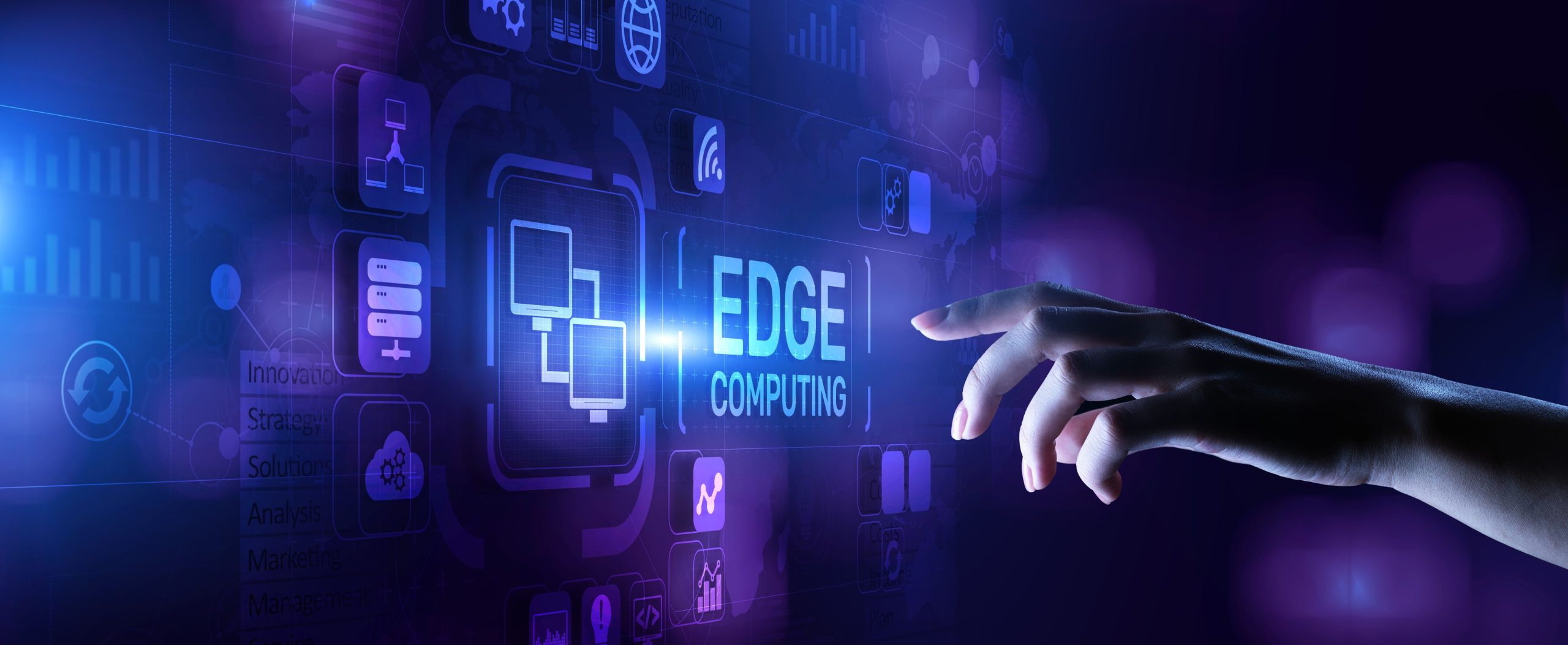
Edge computing is a technological paradigm that shifts data processing from data centers to peripheral devices, such as sensors and cameras. This approach brings computational processes closer to the source of the data, reducing response times and improving overall efficiency. The term “edge” refers to the periphery of the network, where local processing takes place.
Differences Between Edge and Cloud Computing
While cloud computing centralizes processing in data centers, edge computing distributes tasks, enabling faster decisions and reducing data traffic. This is particularly useful in industrial and automotive contexts, where response speed is a key factor.
Compared to cloud computing, edge computing therefore reduces dependence on data centers, optimizes bandwidth, and improves system resilience. Processing data locally also means greater privacy, since less information needs to be transmitted to remote servers.
How Edge Computing Works: Architecture and Components
Edge architecture involves processing data locally, either directly on edge devices or through intermediate devices. This architecture allows for a rapid response to critical events without sending every piece of data to the cloud.
There are therefore three key elements of edge computing:
- Edge Devices: sensors, cameras, smartphones, and other peripheral devices that collect and process data.
- Edge Gateway: intermediate devices that aggregate data and forward it to the cloud, if necessary.
- Internet of Things (IoT): a network of connected devices that communicate in real time.
For example, in a smart streetlighting system, distributed IoT sensors can monitor environmental conditions and adjust light intensity in real time, reducing energy consumption. These sensors process data locally to enable rapid decision-making, but they share historical data with the cloud for more in-depth analysis of trends and forecasts.
Edge Computing and Artificial Intelligence: Tangible Benefits
The integration of this paradigm with artificial intelligence has several positive implications:
- Real-time data processing: Local processing enables edge devices to respond immediately to inputs. For example, an autonomous vehicle can process sensor data to brake when it detects an obstacle, without having to wait for a response from the cloud, thereby preventing accidents.
- Reduced latency: By limiting the need to continuously transfer data to the cloud, edge computing ensures faster response times. This makes all the difference in the healthcare sector, where wearable devices can detect abnormalities in vital signs and save a patient’s life.
- Optimizing bandwidth usage: Processing data locally and reducing the need to transmit large volumes of information to the cloud frees up bandwidth for other applications.
- Reducing the Load on Data Centers: Reducing the workload on central servers allows resources to be allocated to more complex analyses and the retraining of AI models.
- Guaranteed operation even without connectivity: Edge devices can continue to operate autonomously, even without a connection to the cloud; once connectivity is restored, the data processed locally is then synchronized with the cloud.
Integration of Edge Computing, the Cloud, and Artificial Intelligence
Edge devices perform inferences using pre-trained AI models. Inference is the process by which an AI model applies what it has learned during training to analyze new data and make decisions or predictions in real time. For example, a security camera can identify threats in real time, ensuring immediate protection.
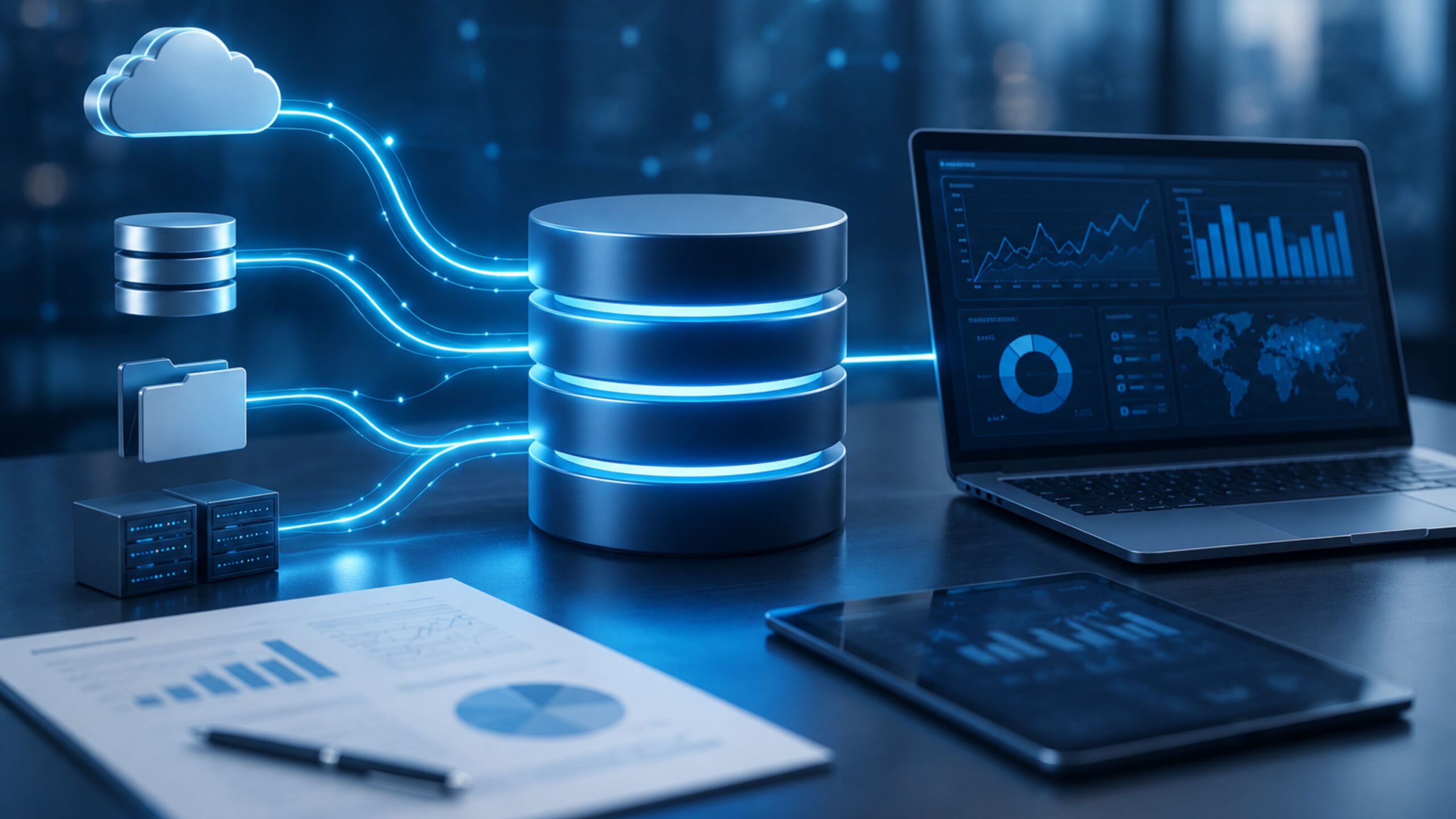
The cloud serves as a central repository for aggregated data, providing a sort of collective memory for analysis and improvements. The data collected by edge devices is sent to the cloud to update the AI models (retraining). Once updated, these models are redistributed to the edge devices, thereby creating a virtuous cycle of learning.
Practical Applications of Edge Computing: From the IoT to Smart Cities
Some of the most common applications of edge technology include:
- IoT and Smart Devices: IoT sensors collect and process data to optimize, for example, energy efficiency and environmental monitoring.
- Industry 4.0, automation, and predictive maintenance: In factories, edge sensors monitor machinery to detect anomalies and schedule predictive maintenance, thereby preventing downtime and costly breakdowns.
- Autonomous vehicles: Here, sensors process data in real time to make critical decisions—such as braking or changing lanes—ensuring passenger safety.
- Intelligent video surveillance: Security cameras with edge computing capabilities analyze video streams locally to identify suspicious activity, reducing the network load.
- Healthcare, wearable devices, and patient monitoring: Devices such as blood glucose meters and heart rate monitors process vital signs data in real time, alerting doctors in case of emergencies.
- Smart City: Smart urban infrastructure uses edge sensors to optimize traffic, lighting, and security.
Edge Computing: Technological Challenges and How to Overcome Them
Running advanced AI models—such as Large Language Models (LLMs)—in edge environments remains a challenge due to their size relative to hardware limitations. However, researchers are developing “lighter” versions of these models. Adapting chatbots like GPT for use on edge devices requires advanced model compression and optimization techniques. A possible future will see optimized LLMs deployed directly on smartphones for personal assistance applications.
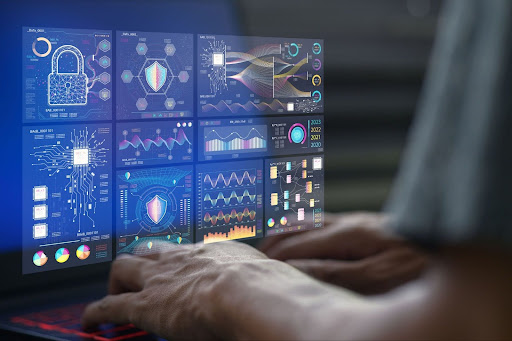
Furthermore, as the number of processing points grows, ensuring data security and privacy becomes increasingly complex. To address these challenges, many companies are adopting AI-based security approaches, in which edge models detect attack attempts in real time and flag potential vulnerabilities without the need for immediate human intervention.
Edge Computing: What Are the Benefits for Businesses?
Edge computing solutions improve productivity and reduce downtime, positively impacting key business KPIs (operational uptime, downtime, response times, etc.) and, ultimately, ROI. Less data transfer and more efficient resource management translate into measurable savings. With real-time processing, companies can also offer faster and more personalized services to their customers.
artea.com: Customized Edge-to-Cloud Solutions for Your Business
Edge computing will continue to evolve as an increasingly central component of future digital architectures: the trend is, in fact, toward the implementation of AI models optimized for edge devices, improving autonomy and efficiency.
At artea.com, we have a long history of expertise in edge infrastructure for fleets of thousands of vehicles, which enhance safety and reduce downtime through anomaly detection systems. Our expertise in end-to-end projects enables us to develop innovative solutions that perfectly balance edge and cloud technologies. Contact us today if you’d like to learn more.