When an EAI architecture becomes the strategic choice for integrating ERP, CRM, legacy systems, and cloud platforms
Table of contents
- What Is an EAI Architecture, and What Problems Does It Solve?
- How an EAI Architecture Works
- From EAI Architecture to Event-Driven Architecture: When to Evolve the Model
- The Benefits of an EAI Architecture Project for Business
- The artea.com Method for Designing Effective Enterprise Application Integration
What Is an EAI Architecture, and What Problems Does It Solve?
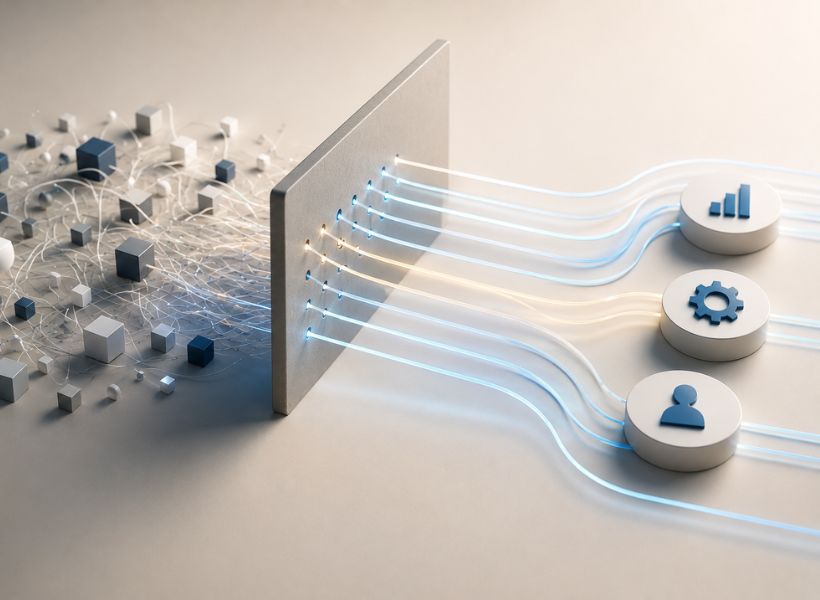
EAI architecture is a design model that enables the integration of heterogeneous enterprise applications, allowing them to communicate through structured, controlled, and governed data flows. Instead of creating numerous point-to-point connections—which are difficult to maintain over time—EAI introduces a centralized integration layer that coordinates the exchange of information between different systems.
This approach eliminates many of the typical challenges associated with fragmented IT infrastructures: duplicate data, inconsistent updates, manual processes, and difficulties in synchronizing applications developed at different times. The result is higher data quality, fewer operational errors, and a greater ability for the company to quickly adapt its processes to market changes.
How an EAI Architecture Works
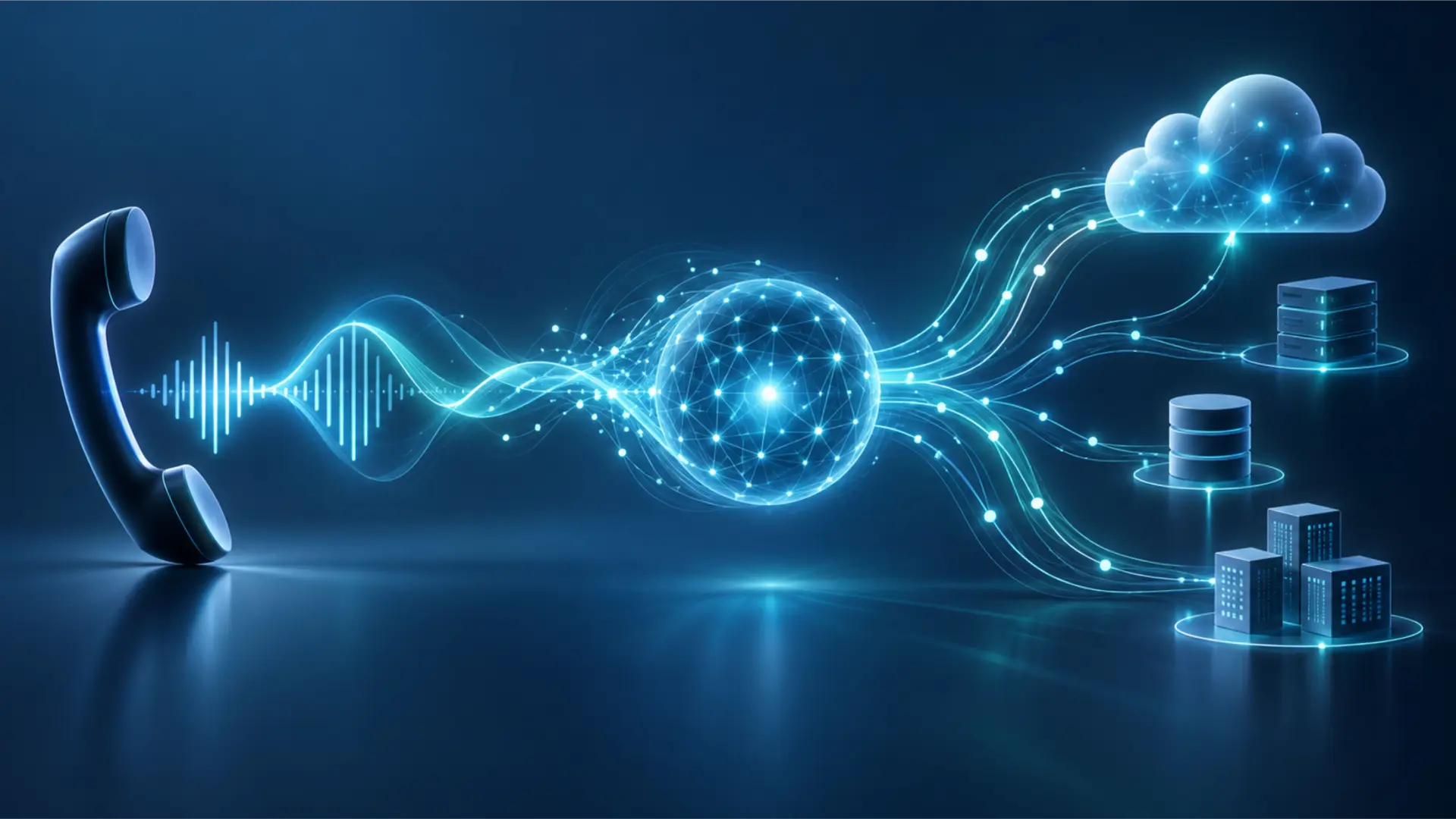
A modern EAI architecture is based on components designed to manage information flows between different enterprise applications, regardless of the technology used to develop them. Middleware, APIs, messaging queues, and orchestration services enable the secure and controlled transformation, routing, and synchronization of data between different systems.
One of the main advantages of this model is the decoupling of applications: each system can evolve, be updated, or replaced without compromising the operation of the entire IT ecosystem. At the same time, the standardization of integration flows and the centralized management of exchange rules make it easier to control processes, resolve issues, and introduce new applications or services.
An Enterprise Application Integration (EAI) project generally begins with an assessment of the application ecosystem, continues with the definition of the target architecture and integration strategy, and culminatesin the implementation of data flows and subsequent monitoring and governance activities. This approach reduces infrastructure complexity, improves data quality, and lays a solid foundation for future digital evolution, fostering more sustainable technological growth over time.
From EAI Architecture to Event-Driven Architecture: When to Evolve the Model
In recent years, many organizations have been supplementing traditional EAI architecture with more dynamic models based onevent-driven architecture, also known as Event-Driven Architecture (EDA).
In this paradigm, applications no longer communicate exclusively through direct requests, but automatically respond to events generated by the systems. Creating an order, updating a master record, or changing the status of a case can trigger distributed processes, notifications, or integrations with other applications in real time.
Event-Driven Architecture does not necessarily replace traditional EAI, but rather complements it, especially in contexts where speed, scalability, and resilience are key competitive factors. The choice of the most suitable approach always depends on the characteristics of the business processes, the volume of data, and the goals for the evolution of the information system.
An infrastructure designed according to the principles of Enterprise Application Integration and Event-Driven Architecture also lays the foundation for adopting increasingly advanced AI solutions in the future—all the way to the scenarios envisionedby AGI—which will require highly interoperable application ecosystems and reliable data.
The Benefits of an EAI Architecture Project for Business
AnEAI architecture project delivers benefits that extend to both a company’s IT department and its business functions, improving the organization’s energy and operational efficiency as well as its decision-making capabilities.
Among the main advantages are:
- Reducing Data Duplication
- Automatic synchronization of master data and shared information
- Process Orchestration Between ERP, CRM, Legacy Systems, and Cloud Platforms
- Reduction in manual and operational errors
- Faster rollout of opportunities, new services, and applications
- Improved data governance, security, and compliance
- Democratization of Information
- Increased resilience of IT infrastructure and reduced operating costs
These results translate into concrete KPIs, such as shorter process times, fewer operational errors, a faster time-to-market, and greater reliability of the information used to support business decisions.
The availability of integrated, high-quality data also creates the ideal conditions for introducing advanced analytics tools, machine learning, and self-learning systems, which can support increasingly rapid and informed decision-making.
The artea.com Method for Designing Effective Enterprise Application Integration
Implementing anEAI architecture project involves much more than simply connecting different systems. It requires the ability to understand business processes, define a sustainable roadmap for evolution, and design an architecture that remains effective over the long term.
artea.com supports companies throughout every stage of the process: from assessing the existing infrastructure to generative design of the target architecture, from mapping information flows to implementing integrations, managing them, and training the team. The goal is the automated construction of scalable, secure, and easily adaptable digital ecosystems capable of supporting technological innovation and integration with advanced technologies such as AI, analytics, and automation, while enhancing people’s creativity and reducing the impact of human limitations in managing complex processes and information. This design approach enables organizations to adapt with greater flexibility to the technological advancements of the coming decades.
If your organization needs to integrate heterogeneous enterprise applications or define a new system integration strategy, the team at artea.com can help you develop design software for the solution that best meets your business needs, using a consulting approach focused on measurable results. Contact us to discuss your project!