

A nationwide network of medical centers specializing in orthopedic care needed a system to archive radiological images from multiple locations and implement an AI-powered automated diagnostic model.
Centralizing Data to Support Diagnosis
The goal was to optimize operational workflows and reduce analysis times by creating a technology ecosystem capable of enhancing clinical data and supporting physicians with more efficient, accurate, and scalable tools. In a context characterized by large volumes of images and information generated across multiple locations, it was essential to ensure operational continuity, rapid access to data, and greater consistency in diagnostic reporting processes.
A Distributed and Highly Complex Healthcare Ecosystem
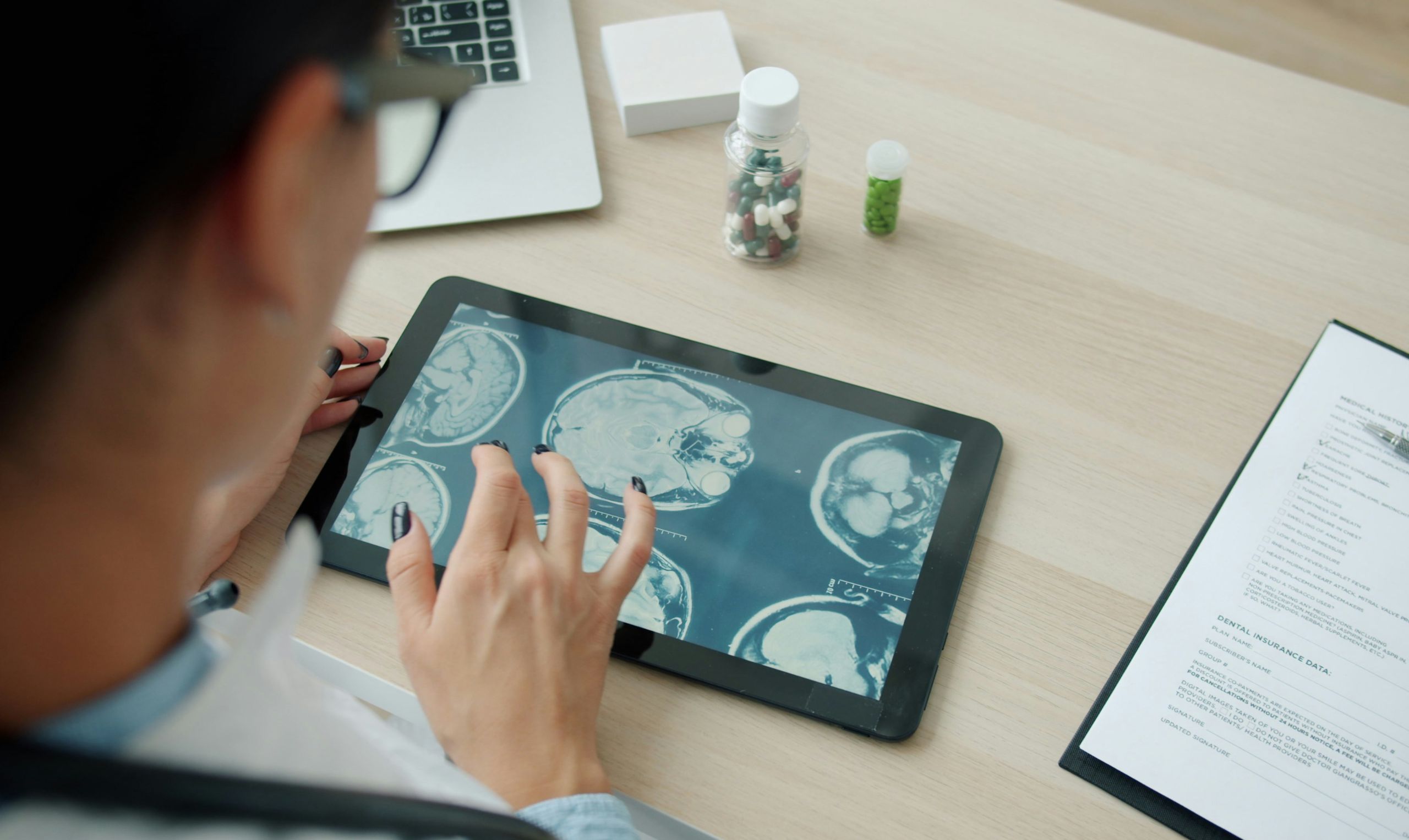
The project was developed within a network of medical centers specializing in orthopedic diagnostics and treatment, characterized by a high volume of radiological images generated daily and the need to manage clinical data originating from multiple facilities. The objective was to streamline collaboration among locations and healthcare professionals, improving access to information and supporting decision-making processes through advanced technological tools.
The Challenges
Data Scalability
Managing large volumes of radiological images while ensuring operational continuity and rapid access to data.
Operational Consistency
Standardizing analysis and reporting processes across multiple centers through shared and efficient workflows.
Diagnostic Accuracy
Supporting physicians in image interpretation with tools designed to improve precision and reliability.
Clinical Data Security
Ensuring the protection, accessibility, and secure management of healthcare data across the entire digital ecosystem.
An AI Infrastructure for Advanced Diagnostics
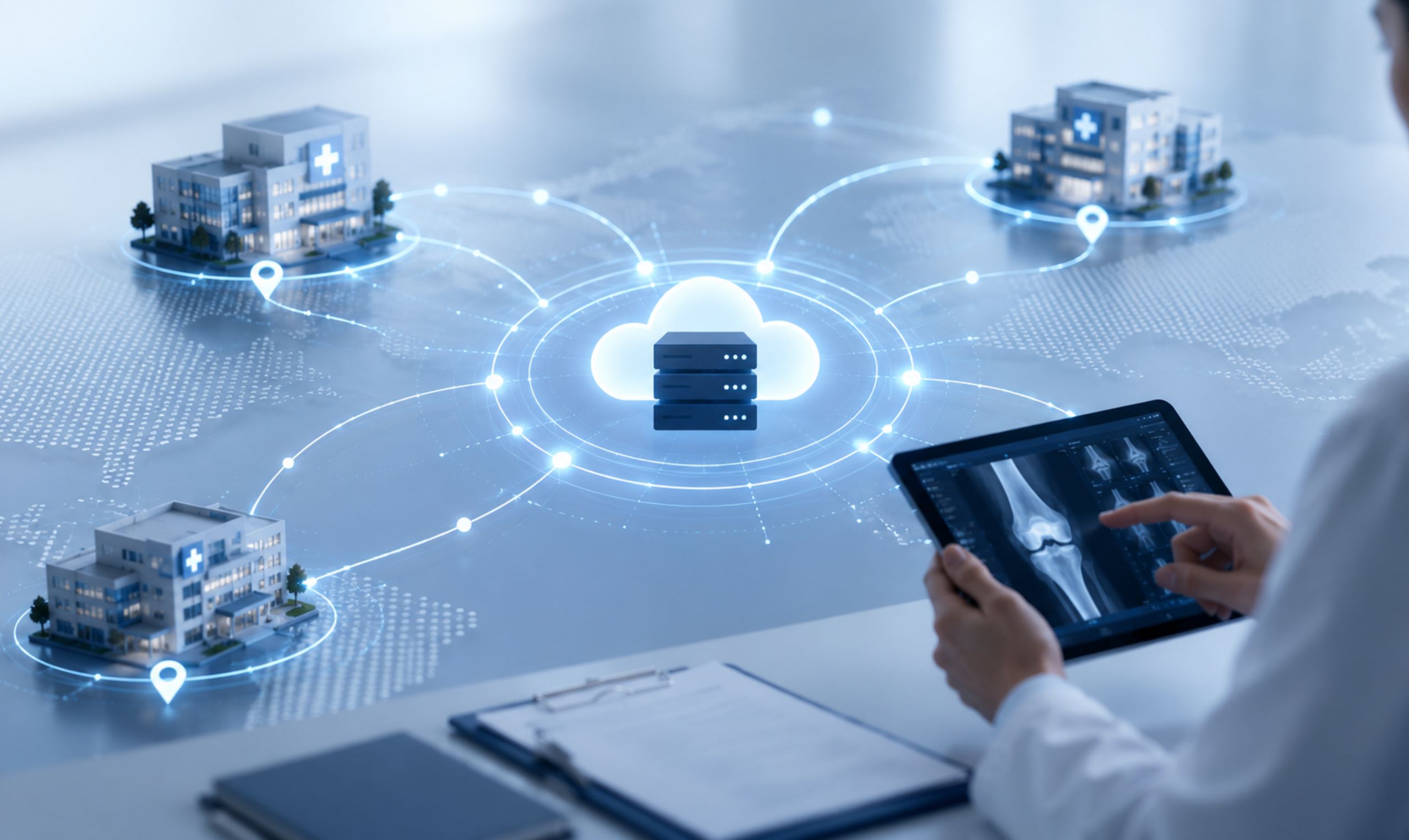
To address the client’s needs, a centralized infrastructure was designed to collect, store, and manage radiological images from multiple medical centers, integrating PACS systems and Big Data technologies into a single, scalable ecosystem.
The solution also included the implementation of a Machine Learning model trained on clinical data and medical reporting processes, with the goal of supporting healthcare professionals in diagnostic analysis. The entire architecture was developed to ensure rapid access to information, operational continuity, and secure management of clinical data.