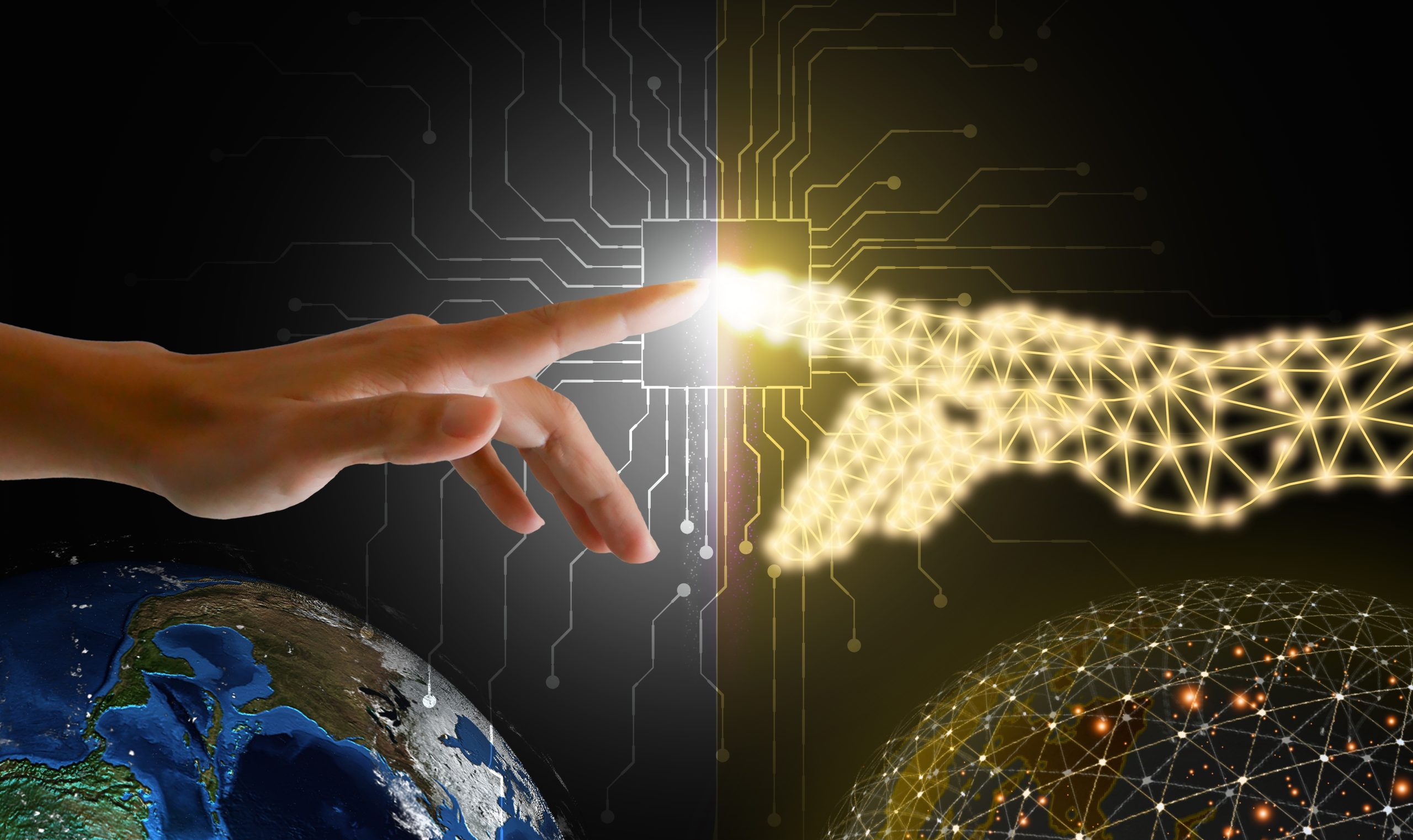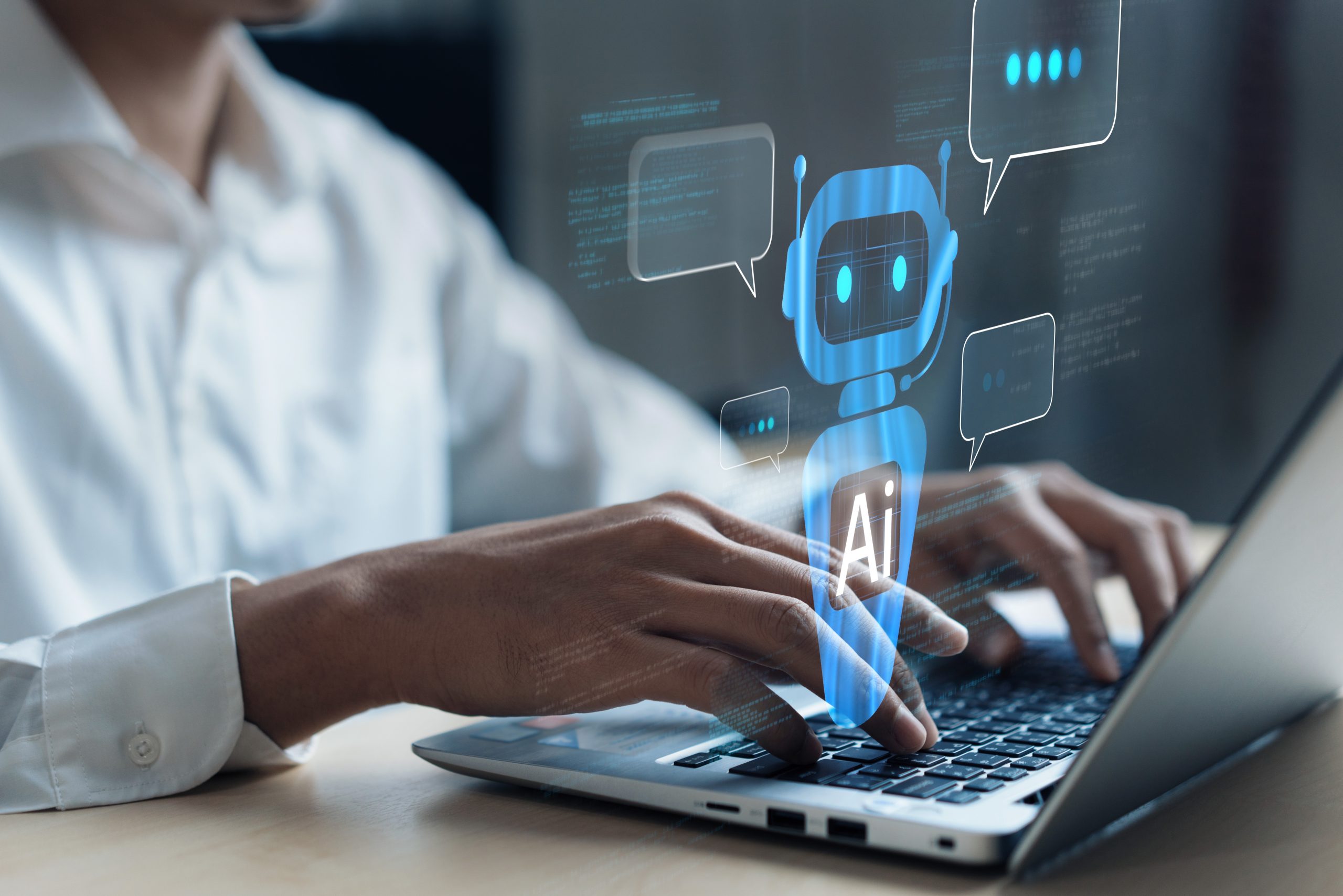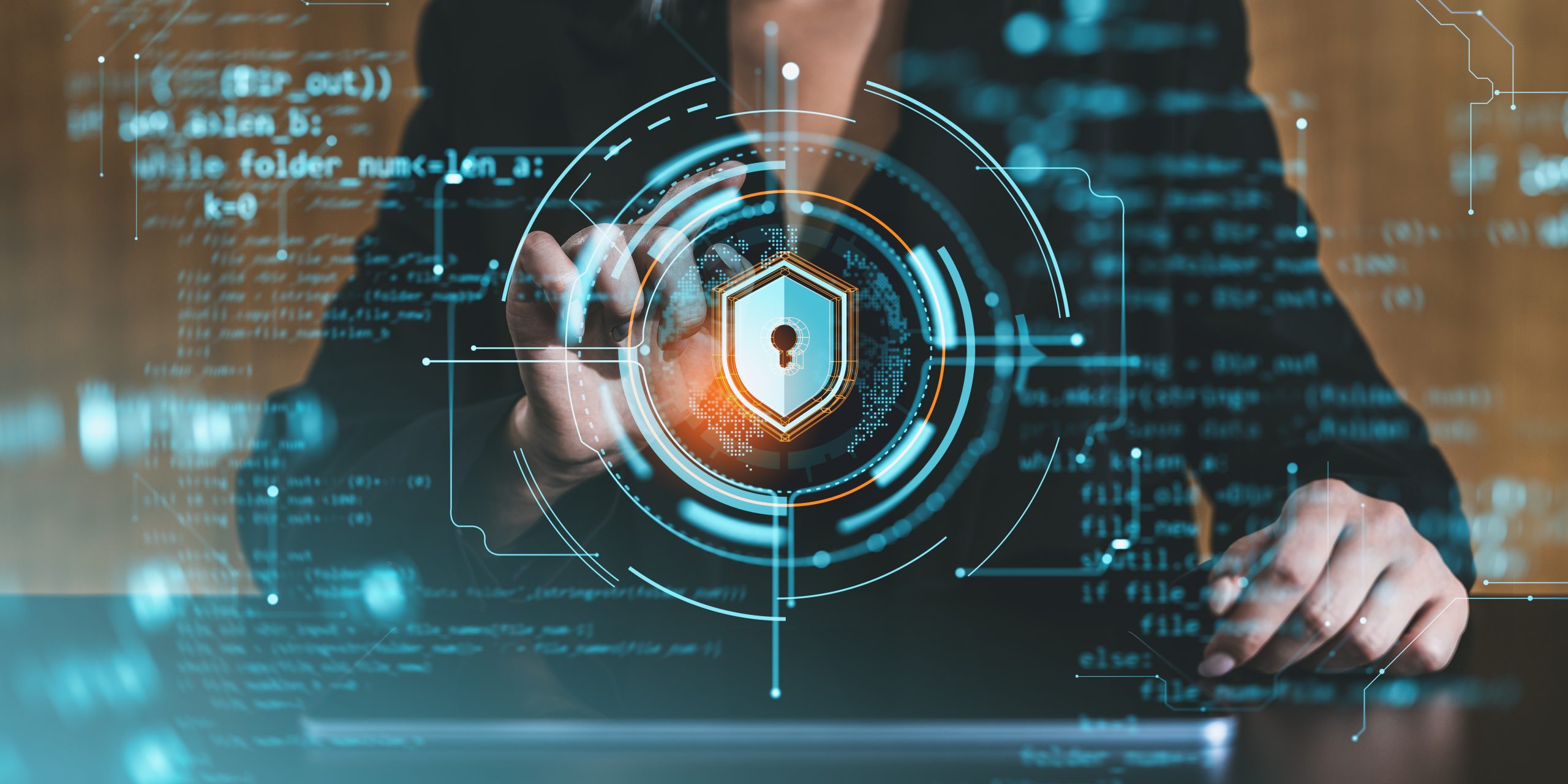
Artificial intelligence (AI) is revolutionizing numerous sectors, and cybersecurity is no exception. On the one hand, it offers innovative tools to protect businesses and prevent attacks. On the other hand, it opens the door to new threats, especially when used by malicious actors. Integrating artificial intelligence and cybersecurity therefore presents a delicate challenge for companies seeking to protect their data and systems.
According to a recent McKinsey report, the global cybersecurity market—driven by the adoption of AI—is growing and has a potential value of $2 trillion. But how can companies capitalize on these opportunities and minimize risks? In this article, we explore how AI and cybersecurity intersect, analyzing opportunities, challenges, and strategies.
Table of contents
- The Opportunities Offered by AI in Cybersecurity
- 1. Advanced Detection and Automation
- 2. Multi-layered protection
- 3. Predictive Prevention
- 4. Reduction in the operational workload
- The Challenges and Risks of AI in Cybersecurity
- 1. Cybercriminals' Use of AI
- 2. Expansion of the contact surfaces
- 3. Ethical and Regulatory Issues
- Emerging Risks and Future Prospects
- Case Study: AI and Cybersecurity in the Automotive Industry
- Looking to the Future of AI with artea.com
The Opportunities Offered by AI in Cybersecurity
AI offers a wide range of possibilities for improving cybersecurity: below, we outline four areas of application.
1. Advanced Detection and Automation
One of the main advantages of AI is its ability to analyze large volumes of data in real time, detecting anomalous behavior or signs of a breach. For example, AI and machine learning tools for cybersecurity can identify phishing attacks or malware before they cause significant damage.
This capability is particularly important in the context of security operations (SecOps), wheregenerative AI automates complex tasks such as writing detection rules and analyzing large datasets. Automation not only speeds up incident response but also reduces the risk of human error. According to McKinsey (November 2024), adopting these technologies can reduce response times by up to 25%.
2. Multi-layered protection

As attack surfaces expand (including IoT devices, the cloud, and social media), AI plays a critical role in protecting an increasingly distributed ecosystem. AI-powered cybersecurity solutions continuously monitor endpoints, digital identities, and applications, detecting anomalies even in complex environments.
This multi-layered protection is essential in a scenario where the traditional boundaries of corporate networks have been replaced by a distributed perimeter. Thanks to AI, organizations can take a proactive approach by identifying potential vulnerabilities before attackers exploit them. This integrated approach is particularly useful in environments with hybrid or decentralized infrastructure.
3. Predictive Prevention
Thanks to predictive models, AI makes it possible to anticipate emerging threats. This approach not only reduces risks but also improves the resilience of systems. For example, simulating attack scenarios using AI helps companies identify and fix vulnerabilities before they are exploited. This type of technology is particularly useful in highly regulated sectors, such as finance and healthcare, where threats are constantly evolving and the consequences of an attack can be devastating.
4. Reduction in the operational workload
Automating repetitive tasks, such as log monitoring or notification management, enables security teams to increase the overall effectiveness of their operations. This approach saves time and reduces the risk of “alert fatigue” —a common problem in security operations centers (SOCs). With fewer false or irrelevant notifications, analysts can focus on critical incidents, improving the quality of responses and overall crisis management.
The Challenges and Risks of AI in Cybersecurity
Despite its advantages, AI carries significant risks, especially when used improperly or maliciously: below, we examine the three main challenges.
1. Cybercriminals' Use of AI
While AI is an asset for security, it can also be a powerful weapon in the hands of cybercriminals. Phishing attacks powered by generative AI have increased by 1,265% since 2022, thanks to the ability to create extremely realistic emails or convincing deepfakes. This trend highlights the importance of adopting defensive tools that can counter potential threats with equally advanced technologies. For example, using AI models to identify anomalous patterns in phishing data can serve as a valuable deterrent.
2. Expansion of the contact surfaces
The increase in connected devices and decentralized applications has expanded what we have already defined as a “distributed perimeter.” This concept describes the transition from closed corporate networks to more open digital infrastructures, where resources are located in the cloud, IoT environments, and collaborative tools. AI itself can become a target: attacks such as“data poisoning” aim to manipulate machine learning models, undermining their reliability.
3. Ethical and Regulatory Issues
The use of AI in security raises moral, ethical, and privacy issues. The massive collection of personal data to train AI models may conflict with regulations such as the General Data Protection Regulation (GDPR), as well as with issues of ethics and artificial intelligence, Other global regulations, such as the European Union’s Network and Information Security Directive (NIS 2 Directive), aim to manage these risks but entail additional costs for companies, estimated at up to 22% in the first few years of implementation.
A transparent approach to AI management, based on ethical principles and clear governance, can help organizations strike the right balance between innovation and regulatory compliance.
Emerging Risks and Future Prospects
The introduction of AI is transforming the cybersecurity landscape and introducing entirely new challenges. Among these is “prompt injection,” a type of attack that exploits vulnerabilities in language models to manipulate their outputs. By manipulating the initial instructions provided to the models, attackers can trick them into generating responses that are not in line with their normal functions, opening the door to a range of attacks, from the spread of disinformation to the theft of sensitive data.
Another challenge is the talent shortage. According to the 2023 ISC² (International Information System Security Certification Consortium) study, there is a significant shortage of qualified experts in cloud security and machine learning for cybersecurity. To bridge this gap, it is necessary to invest in specialized training programs, promote collaboration between universities and companies, and encourage young talent to enter the sector through scholarships and attractive career paths.
Case Study: AI and Cybersecurity in the Automotive Industry
A concrete example of AI’s application in cybersecurity is the project we developed for one of our clients in the automotive industry. The challenge was to protect connected cars from potential cyberattacks while ensuring a rapid and precise response to threats.
We have designed a detection and telemetry system based on data collected from vehicle control units via the CANbus (Controller Area Network) protocol. Using AI algorithms, the system analyzes the data in real time to identify anomalies, classifying them based on severity and the nature of the risk. In the event of a suspicious incident, an alert is sent in real time to an operator, who supplements the analysis with technical information and, if necessary, contacts the vehicle directly to protect it from any ongoing attacks.
This approach has enabled the customer to significantly improve the safety of its vehicle fleet, reduce response times to accidents, and prevent potential damage.
Looking to the Future of AI with artea.com
AI is an essential resource for addressing the increasingly complex challenges of cybersecurity. However, its adoption requires a balanced approach that combines advanced technologies, effective governance, and collaboration among stakeholders.
Investing in artificial intelligence and cybersecurity isn’t just about responding to current threats—it’s about preparing for a future where security and innovation can coexist harmoniously. Our team of experts is ready to support you on this journey: contact us today for a personalized consultation.